

Hearing loss is often considered a minor inconvenience or a normal part of aging. However, when hearing loss goes untreated for a long period of time, it can lead to a condition known as hearing deprivation. This occurs when the brain receives less sound stimulation over time and gradually loses some of its ability to process speech and other sounds.
Hearing is not only about the ears – it is also about the brain. Sound travels from the ear to the brain, where it is interpreted and understood. When someone has hearing loss and does not use hearing aids or other assistive devices, the brain receives fewer signals. Over months or years, the auditory pathways in the brain may weaken from lack of stimulation. As a result, even when hearing is later improved with devices, understanding speech may remain difficult.
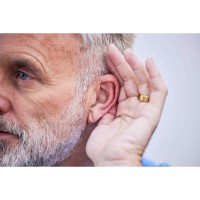
Hearing deprivation can affect many aspects of daily life. Individuals may find it harder to follow conversations, especially in noisy environments such as restaurants or family gatherings. Voices may sound muffled, and distinguishing words becomes challenging. Some people begin withdrawing from social activities because communication feels frustrating or exhausting.
For older adults, the effects can extend beyond communication. Studies have linked untreated hearing loss with increased risks of social isolation, depression, and even cognitive decline. Researchers believe that when the brain works harder to interpret sounds, fewer resources may be available for memory and thinking.
The encouraging news is that hearing deprivation is often preventable. Addressing hearing loss early can help keep the brain actively engaged in processing sound. Hearing aids, cochlear implants, and other assistive listening devices can restore important sound signals and support healthy brain function.
Experts recommend that older adults receive regular hearing evaluations, especially if they notice signs such as frequently asking people to repeat themselves, turning up the television volume, or struggling to understand conversations in groups.
Family members also play an important role. Encouraging a loved one to seek help for hearing loss can improve communication and quality of life. Simple steps such as speaking clearly, facing the person when talking, and reducing background noise can also make conversations easier.
Hearing connects us to the world around us: the laughter of family, meaningful conversations, music, and everyday sounds. Protecting hearing health and addressing hearing loss promptly can help ensure that these connections remain strong throughout the later years of life.
For assistance finding hearing resources, screenings, or support services for older adults, contact the Orlando Senior Help Desk at Jewish Pavilion Senior Services, which helps seniors and their families navigate important health and wellness concerns.
Jewish Pavilion Senior Services
-
Nancy Ludin CFO
- March 30, 2026
- (407) 678-9363
- Send Email
