

When you experience a soft tissue injury – like a sprain, strain, or pulled muscle – the first instinct is often to reach for ice or wrap the area. For decades, the standard recommendation was the RICE protocol: Rest, Ice, Compression, and Elevation. However, recent insights into sports medicine and physical therapy have led many experts to shift their focus to a newer protocol: MEAT – Movement, Exercise, Analgesics, and Treatment.
Let’s look at both approaches, when to use them, and how to transition from injury to recovery effectively.
- The RICE Protocol (Traditional Approach)
Developed in the late 1970s by Dr. Gabe Mirkin, RICE was long considered the go-to method for acute injury management.
1. Rest:
Stop using the injured area to prevent further damage. This stage often lasts 24-48 hours post-injury.
2. Ice:
Apply cold packs to reduce swelling and numb the area. It’s typically done in 20-minute intervals every few hours.
3. Compression:
Wrap the injury snugly (but not too tight) with an elastic bandage to control swelling and provide support.
4. Elevation:
Raise the injured limb above heart level to help fluid drain away and minimize inflammation.
When RICE is Useful:
- Immediately after an acute injury
- In the first 24-48 hours to manage swelling and pain
- When inflammation is severe
Limitations of RICE:
While RICE helps in the initial response to injury, it doesn’t promote long-term recovery or tissue regeneration. Excessive rest and icing can delay healing in some cases.
The MEAT Protocol (Modern Approach)
As understanding of tissue healing evolved, researchers and clinicians began recommending MEAT – especially for injuries where the goal is to promote active recovery and blood flow.
1. Movement:
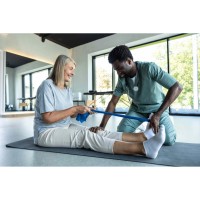
Gentle, pain-free movement helps stimulate blood flow and prevent stiffness. The key is controlled mobility, not complete rest.
2. Exercise:
Rehabilitation exercises strengthen the muscles around the injury, restore range of motion, and promote tissue remodeling.
3. Analgesics:
Use pain relievers (preferably non-steroidal anti-inflammatory drugs like acetaminophen over NSAIDs) to manage discomfort, but avoid masking pain that might signal overuse.
4. Treatment:
This includes manual therapy, massage, physical therapy, heat application, or other professional interventions tailored to the specific injury.
When MEAT is Useful:
- 24-72 hours after injury, once swelling has subsided
- During the sub-acute and recovery phases
- For chronic or overuse injuries (e.g., tendinitis)
Cautions with MEAT:
- Pushing exercise too soon or with poor form can worsen the injury
- Movement should be pain-free or guided by a professional
For more information, reach out to the Orlando Senior Help Desk and Jewish Pavilion Senior Services at 407-678-9363.
Jewish Pavilion Senior Services
-
Nancy Ludin CFO
- December 15, 2025
- (407) 678-9363
- Send Email
