

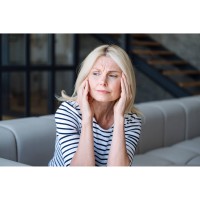
Understanding “Anxiety Without a Reason” in Menopause and Beyond
Many women notice something puzzling during menopause and post-menopause: feelings of anxiety or inner restlessness seem to reappear, but without a clear cause. There’s no particular worry to dwell on, no story behind it. Just an uneasy feeling, a sense of urgency, or internal “nervous energy.” It can feel confusing or even discouraging – but it’s important to know that this experience is real, and it’s not a personal failure. What’s Really Happening in the Body Anxiety isn’t always “in the

Raise a Glass for a Great Cause: Jewish Pavilion Senior Services Cocktail Party – June 10
Mark your calendars for an evening of elegance, connection, and community impact at the Jewish Pavilion Senior Services Cocktail Party, hosted by Heritage Jewish News. When: Wednesday, June 10, 2026, at 5:00 p.m.Where: Grand Living Park at Lake Mary, 1021 Royal Gardens Circle, Lake Mary Join friends and supporters of the Jewish Pavilion for a festive gathering in a beautiful, resort-style setting. Guests will enjoy an open bar, gourmet heavy hors d’oeuvres, and a delicious selection of desserts while

Stress Recommendations
Typical causes of stress include work, financial struggles, parenting issues, relationship troubles, health concerns, caregiving and more. Signs and symptoms of stress include feeling anxious, sweaty palms, fluctuating mood, digestion issues, constipation or diarrhea, dizziness and nausea, teeth grinding, headaches, decrease in energy levels, trembling, and rapid breathing. The impact of stress on your mental and physical health can lead to behaviors such as trouble concentrating, experiencing memory
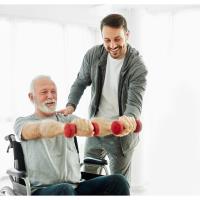
Rehabilitation
Senior rehabilitation centers are designed to help those recovering from an injury or serious medical event to reduce pain and improve function. Senior rehab facilities often include services such as physical therapy to help improve mobility, balance, strength, flexibility etc. Senior rehabilitation centers are designed to help those recovering from an injury or serious medical event to reduce pain and improve function. According to the Center for Medicare Advocacy, the average length of stay for
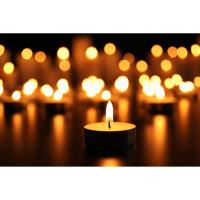
Memorializing a Loved One
Working with seniors, the Jewish Pavilion Senior Services staff and volunteers experience a lot of loss. When we hear of a family member who has passed, we send a card and the book “When You Lose Someone You Love” to the bereaved. We also invite the bereaved to participate in a free six-week grief support group. There are many other ways to memorialize a loved one. Here are a few suggestions that may be meaningful and help in the grieving process:Create your own thank you card: Include a picture of your
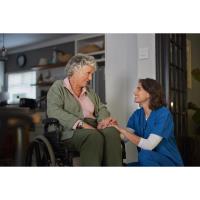
When to Consider Assisted Living
Recognizing the right time for assisted living can be tough for caregivers, often leading to delayed action. Here are signs to consider:If your loved one’s condition worsens beyond your capacity to manage alone.Despite your efforts, your care isn’t sufficient.You feel isolated in your caregiving role.Lack of respite options leaves you exhausted.Family relationships strain due to caregiving demands.Your work and personal life suffer due to caregiving responsibilities.Feelings of guilt about prioritizing

Navigating the Hospitalization of a Loved One
As a caregiver, one of the most stressful things you may experience is the hospitalization of your loved one – especially if the hospitalization is in an intensive care unit. Here are some tips to consider when navigating this difficult situation:Be prepared. Keep a list of your loved one’s medications and allergies handy at all times. Include the name of the medication, the dosage, the number of doses taken daily and the times at which they are taken. Make multiple copies on a copy machine or your
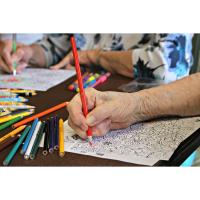
Color Therapy for Dementia
Color therapy can be beneficial for those with memory loss. Dementia specialists recommend using different colors to provide contrast in spaces and to help distinguish different objects. Read below for some helpful tips about implementing different colors in different situations: PINK can reduce combative behavior, according to some research studies. The “pink effect” may reduce feelings of aggression and anger. BLACK is recommended by some therapists for individuals with Alzheimer’s. If wandering is an
